
Blog
GaN Technology: Smaller, Faster, More Efficient Chargers

GaN Chargers : The Complete Buying Guide for Fast, Compact Charging in 2026
Your charger is probably the bulkiest thing in your travel bag, and it doesn’t need to be. GaN chargers have quietly replaced the old silicon brick as the default choice for anyone charging a phone, tablet, or laptop from a single wall outlet. I’ve tested dozens of these over the past two years, and the difference in heat, size, and charging speed compared to standard adapters isn’t subtle — it’s a generational leap.
This guide breaks down what GaN chargers actually do differently, which wattage class fits your devices, and how to pick between the flood of options now crowding Amazon and Flipkart listings.
What Are GaN Chargers ?
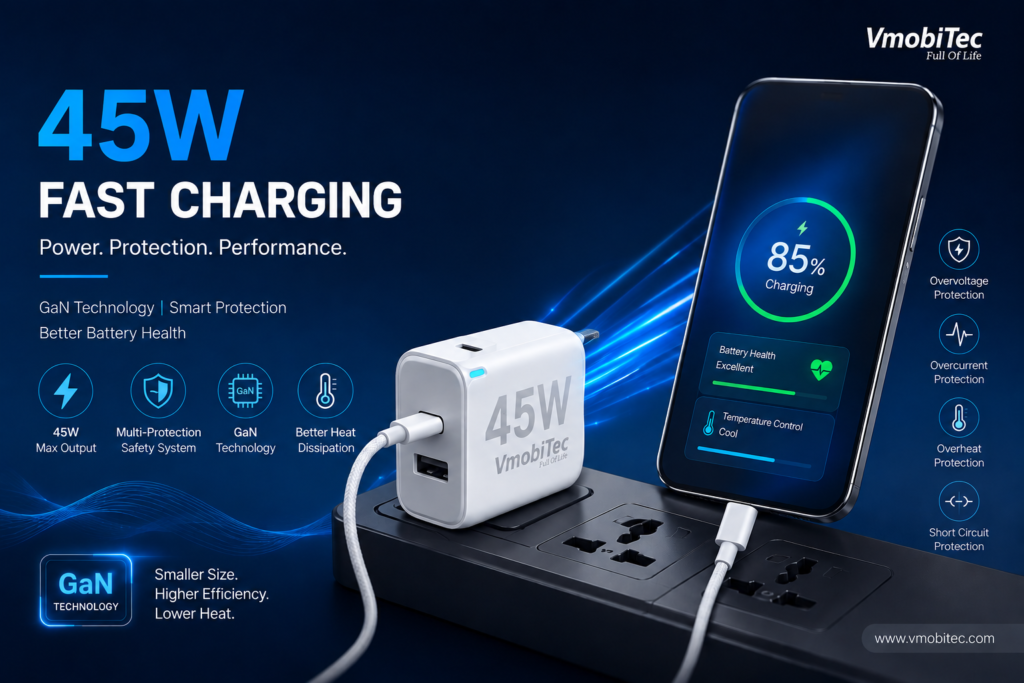
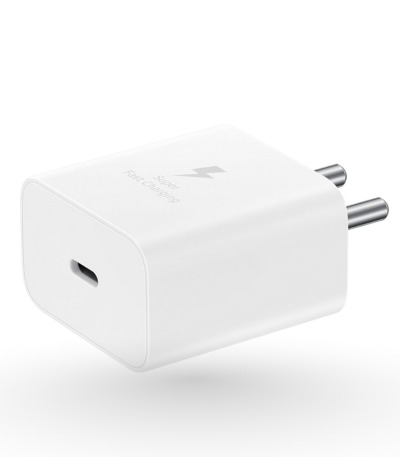
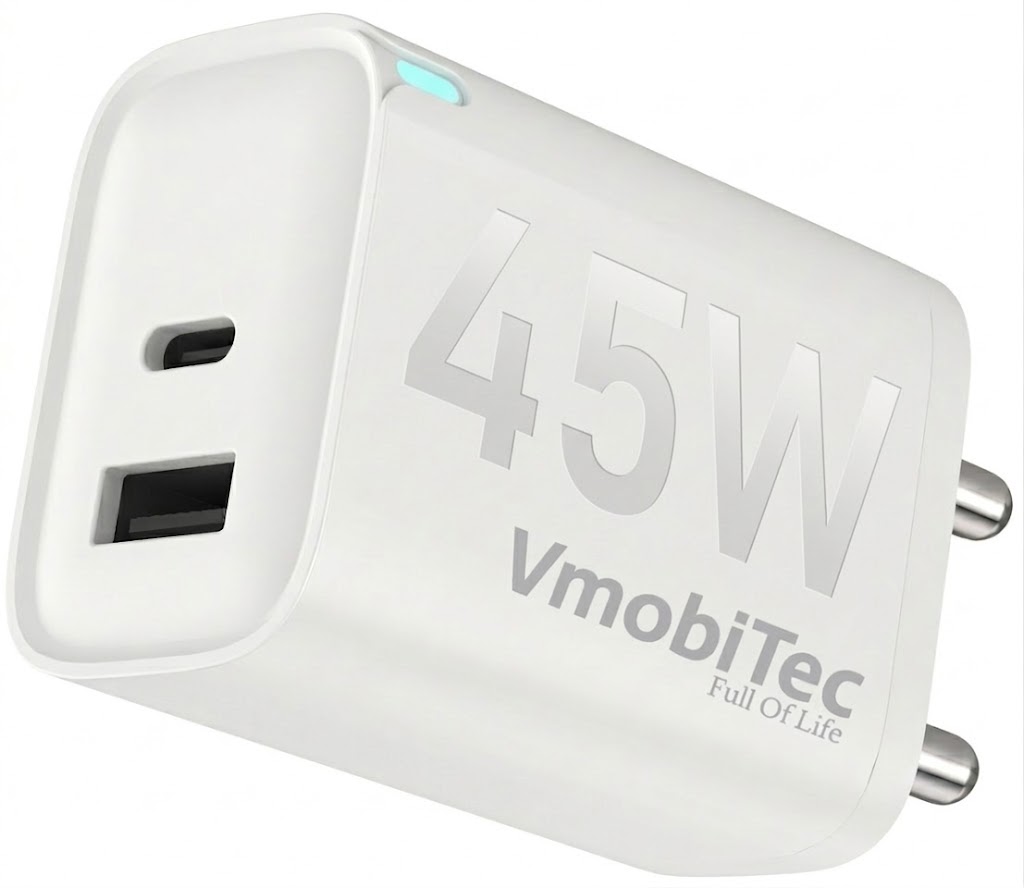
GaN chargers are power adapters built with gallium nitride semiconductors instead of traditional silicon, allowing them to deliver higher wattage in a smaller, cooler-running body.
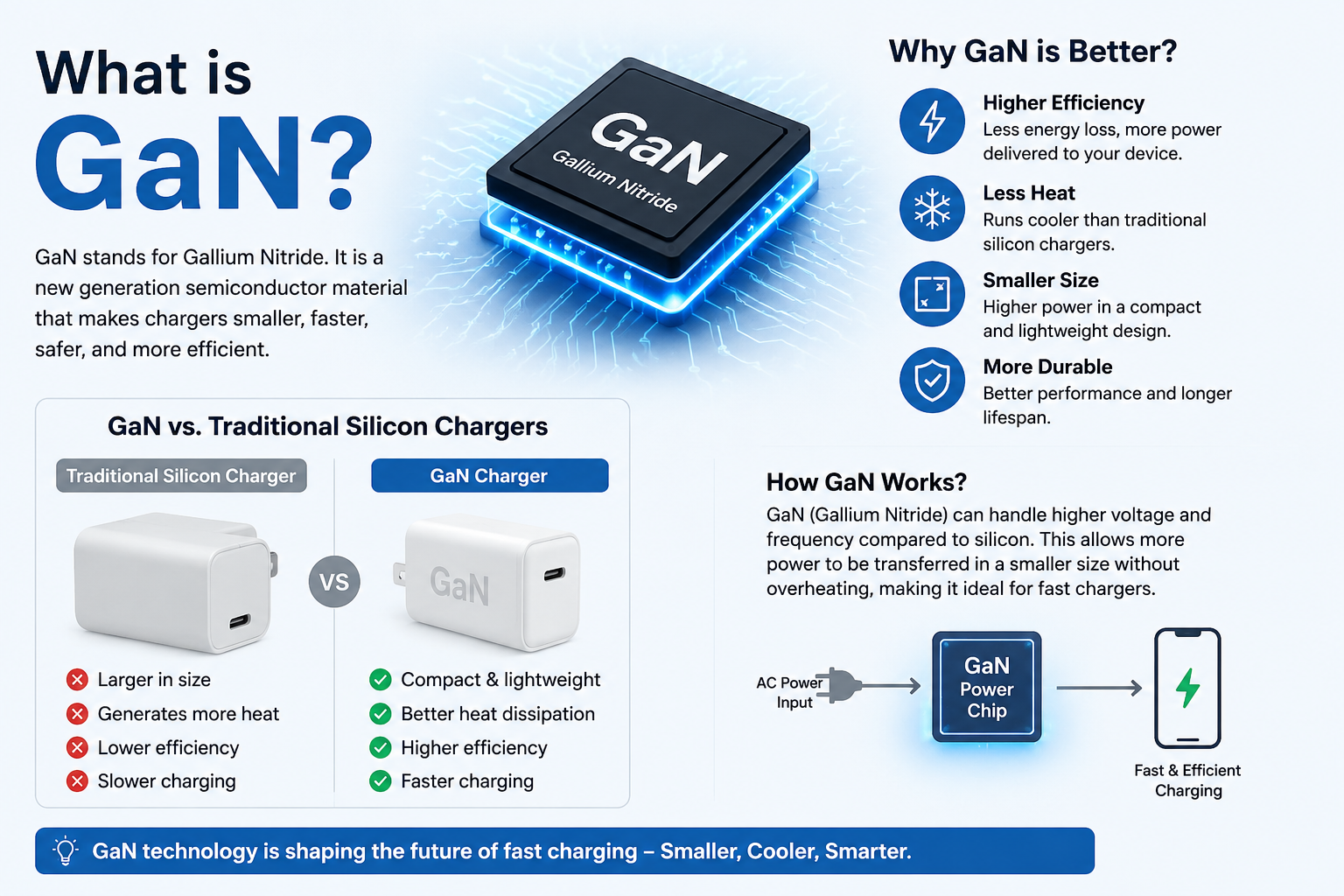
Silicon has been the backbone of power electronics for half a century, but it hits efficiency limits at higher voltages — engineers compensate with bigger heat sinks and bulkier transformers. Gallium nitride conducts electricity with far less resistance at high frequencies, so a GaN charger can push the same power through a fraction of the space. That’s why a 65W GaN charger today is roughly the size of an old 20W phone brick.
The practical result: less heat buildup during a long charge session, lighter chargers for your bag, and often multi-port designs that used to be impossible without a shoebox-sized adapter. Brands like Anker, UGREEN, Baseus, and Apple’s own 140W GaN block have pushed this from a niche upgrade into the new standard.
Why GaN Replaced Silicon Chargers
Traditional silicon adapters lose a meaningful chunk of energy as heat, especially past 30–40W. GaN transistors switch faster and waste less energy in that conversion, which is the entire reason manufacturers can shrink the housing without sacrificing output.
Best GaN Charger Picks by Use Case
There’s no single “best” GaN charger — the right pick depends on what you’re charging and how many devices at once. A single-port 65W GaN charger for a phone is a different purchase than a 100W four-port GaN charger meant to power a MacBook and three accessories simultaneously.
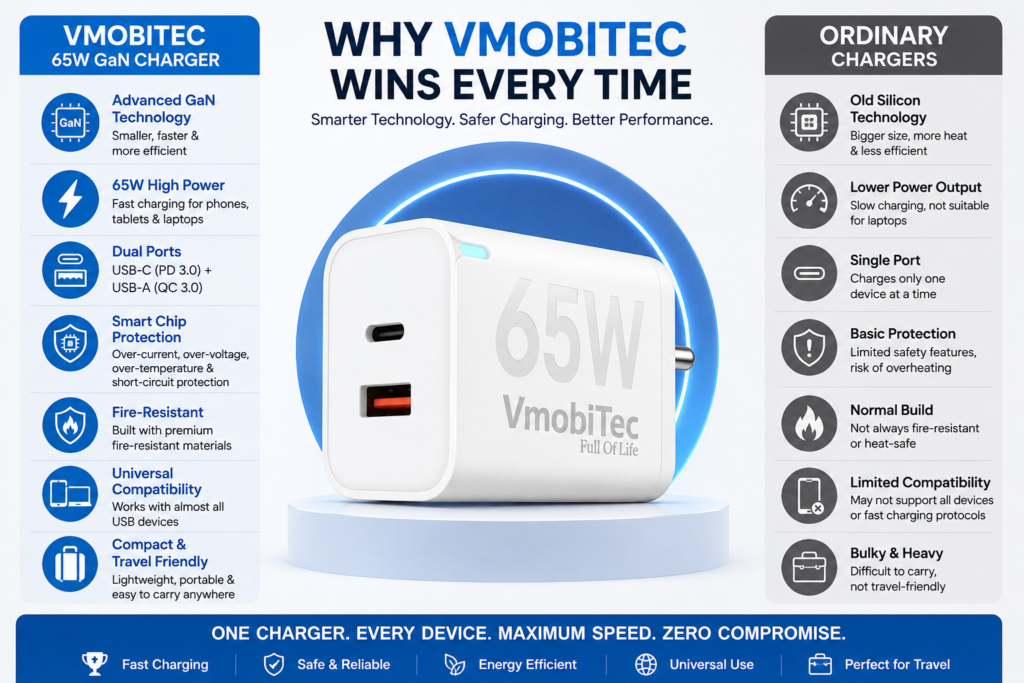
Below is how I’d sort the current market by real-world use.
Best 65W GaN Charger for Everyday Use
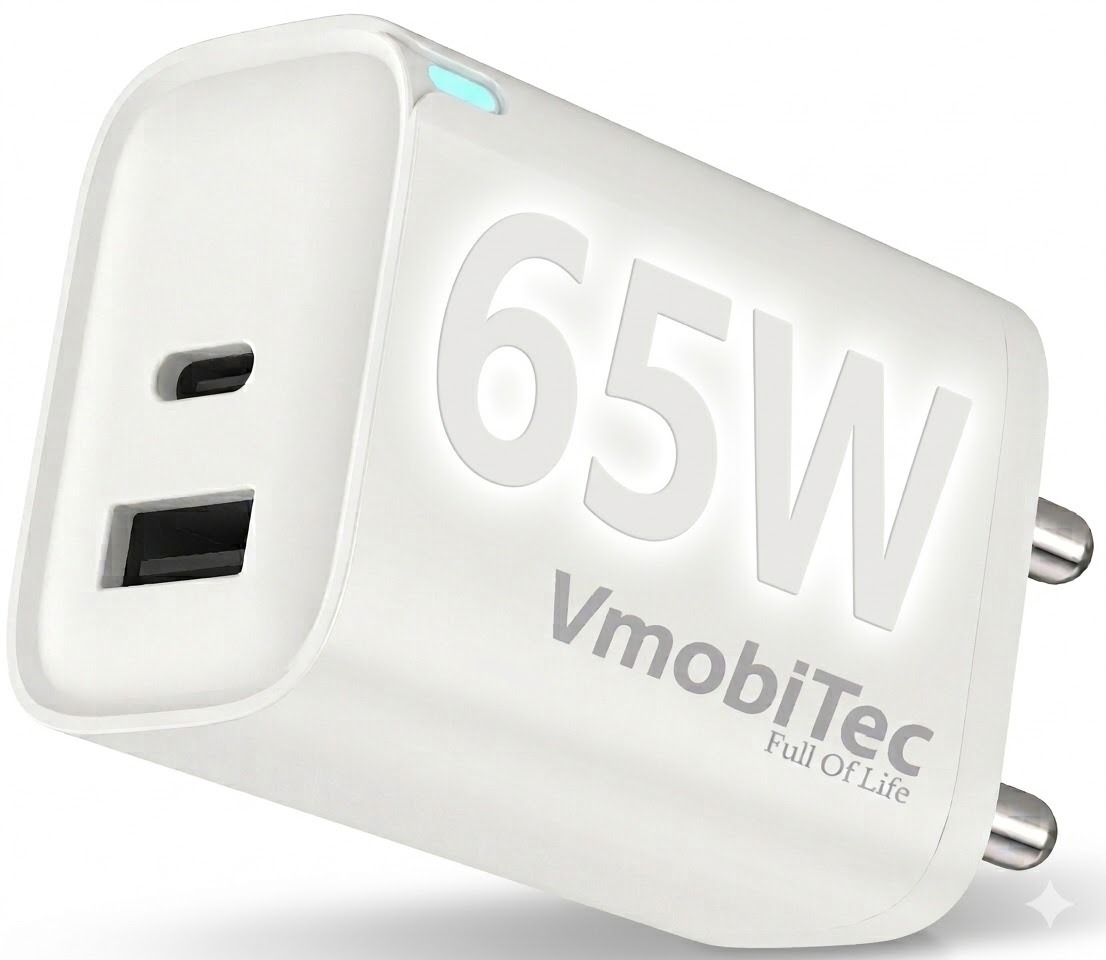
A 65W GaN charger is the sweet spot for most people — it fast-charges phones at full speed, tops up tablets quickly, and still has enough headroom to trickle-charge lighter ultrabooks. This is the wattage class I recommend to anyone asking for one charger to rule their whole bag.
Best 100W GaN Charger for Power Users
If you’re charging a MacBook Pro, a gaming laptop, or multiple high-draw devices at once, a 100W GaN charger gives you the ceiling to do that without throttling. Look for models with Power Delivery 3.1 support and per-port wattage displays — they help you understand exactly how power is being split across ports.
GaN Charger Comparison: 65W vs 100W vs USB-C Multi-Port
| Feature | 65W GaN Charger | 100W GaN Charger | USB-C Multi-Port GaN Charger |
|---|---|---|---|
| Best for | Phones, tablets, light laptops | MacBooks, gaming laptops, power users | Multi-device households, travel |
| Typical ports | 1–3 | 2–4 | 3–4 |
| Size class | Palm-sized | Slightly larger, still compact | Varies by port count |
| Charges MacBook Pro at full speed | Partial | Yes | Depends on port allocation |
| Ideal user | Students, commuters | Professionals, creators | Families, frequent travelers |
A higher wattage number doesn’t automatically mean faster charging for every device — your phone or laptop still negotiates its own charging speed, so the extra headroom matters most when you’re splitting power across multiple ports at once.
Key Benefits of Switching to a GaN Chargers
- Compact size: GaN chargers pack the same or higher wattage into housings 40–60% smaller than legacy silicon adapters, which matters for anyone traveling light.
- Lower heat output: Reduced energy loss during conversion means the charger — and the device plugged into it — runs noticeably cooler on long sessions.
- Multi-device charging: Many GaN chargers include 2–4 ports and can intelligently split wattage, letting you charge a laptop and phone from one wall socket.
- Universal compatibility: A single USB-C GaN charger can typically handle phones, tablets, laptops, and earbuds, cutting down on the number of adapters you carry.
- Better long-term efficiency: Less wasted heat means less wasted electricity, which adds up if the charger stays plugged in daily.
- Faster charging on supported devices: Combined with USB Power Delivery and Quick Charge protocols, GaN chargers can hit a phone’s peak fast-charging rate right out of the box.
How to Choose the Right GaN Charger
- Match wattage to your primary device: Check your phone or laptop’s maximum charging input — buying far beyond it wastes money, buying under it caps your speed.
- Count your ports: If you regularly charge two or three devices at once, prioritize a multi-port GaN charger over a single-port high-wattage one.
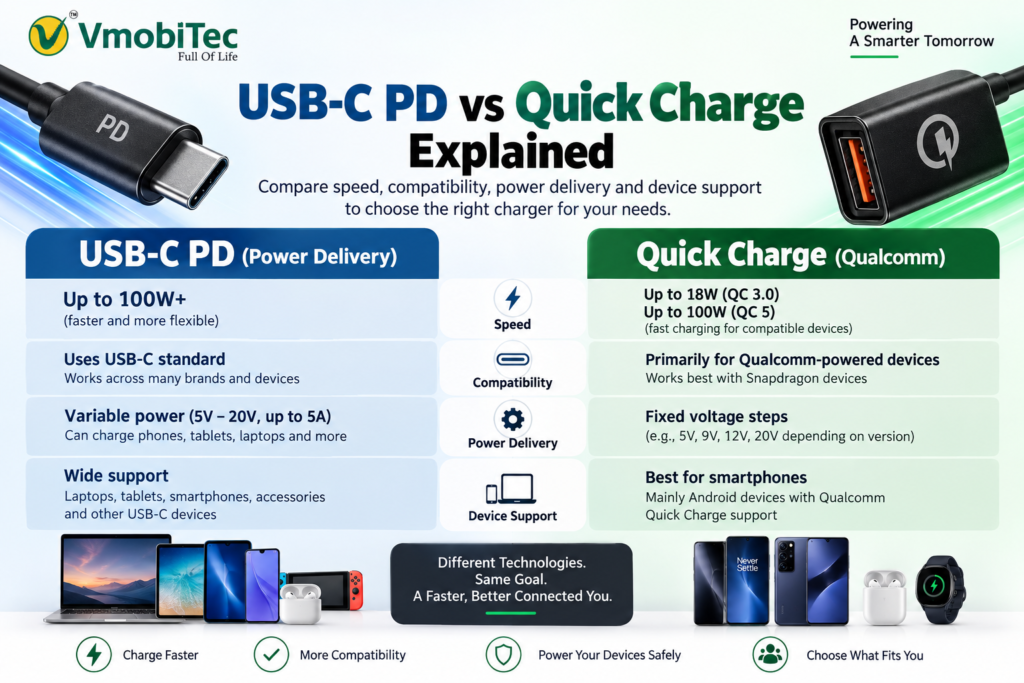
- Confirm protocol support: Look for USB Power Delivery (PD) 3.0 or 3.1, and Programmable Power Supply (PPS) if you’re charging a Samsung Galaxy device at full speed.
- Check per-port wattage limits: Multi-port chargers often reduce output per port when multiple devices are plugged in — read the spec sheet, not just the headline wattage.
- Factor in travel needs: If you’re buying a fast GaN charger for laptop use while traveling, prioritize foldable prongs and international voltage support.
GaN Chargers by Device: What to Buy For Each
Best GaN Charger for iPhone
Any 20W+ USB-C GaN charger with PD support will fast-charge an iPhone to 50% in around 30 minutes. For iPhone-only households, a compact 30–35W single-port GaN charger is enough — you don’t need to overspend on 100W for a phone alone.
Best GaN Charger for Android
Android flagships vary widely in fast-charging protocols, so a GaN charger with PD, PPS, and Quick Charge 4+ support covers the broadest range of Samsung, OnePlus, and Xiaomi devices without guesswork.
Best GaN Charger for MacBook
MacBook Air models charge comfortably on 65W, while MacBook Pro 14-inch and 16-inch models benefit from a 96W–140W GaN charger to hit their full charging speed, especially under heavy workloads.
GaN Charger with Multiple Ports
A GaN charger with multiple ports is the practical choice for shared desks, nightstands, or travel kits — look for models that clearly list simultaneous-use wattage per port rather than just the combined maximum.
Frequently Asked Questions About GaN Chargers
Q: What makes a GaN charger different from a regular charger? A: A GaN charger uses gallium nitride semiconductors instead of silicon, allowing higher power output in a smaller, cooler housing. Regular chargers lose more energy as heat at higher wattages, forcing bulkier designs. GaN’s efficiency is why modern chargers have shrunk dramatically while output has increased.
Q: Is a 65W GaN charger enough for a laptop? A: A 65W GaN charger comfortably powers most ultrabooks and MacBook Air models at full speed. It can also charge heavier laptops, but slower, since it won’t match their maximum rated input. Check your laptop’s charging spec before relying on 65W as your sole charger.
Q: Are GaN chargers safe for everyday use? A: Yes, GaN chargers from reputable brands include the same safety certifications as traditional chargers, including over-current, over-voltage, and thermal protection. Their lower heat output during charging is actually considered a safety advantage over older silicon designs.
Q: Can I use a 100W GaN charger with my phone? A: Yes, a 100W GaN charger is safe for phones because charging speed is negotiated by the device itself, not forced by the charger. Your phone will only draw the wattage it’s designed to accept, regardless of the charger’s maximum rating.
Q: What is the best GaN charger for traveling with multiple devices? A: A multi-port USB-C GaN charger in the 65W–100W range is ideal for travel, since it can charge a laptop, phone, and earbuds from a single wall socket. Look for foldable prongs and PD/PPS support for broad device compatibility.
Q: Where can I buy a GaN charger online in India? A: GaN chargers are widely available to buy online through Amazon India, Flipkart, and official brand stores for Anker, UGREEN, and Baseus. Compare wattage, port count, and PD/PPS certification before purchasing, and check seller ratings for warranty support.
Q: Do GaN chargers charge faster than normal chargers? A: GaN chargers don’t change the maximum charging speed your device supports, but they deliver that speed more efficiently and with less heat. The real advantage is size and multi-device capability, not a fundamentally faster charge rate on a single device.
Final Verdict: Which GaN Chargers Should You Buy?
If you’re charging one phone, a 65W single-port GaN charger covers you with room to spare. if your bag includes a MacBook, a tablet, and a phone, step up to a 100W multi-port GaN charger and check the per-port wattage split before buying. The category has matured enough that reputable brands — Anker, UGREEN, Baseus, and Apple — all offer reliable options, so the deciding factor really comes down to matching wattage and port count to your actual devices, not chasing the highest number on the box.